










The Value of Signal-Based Outreach: Go from 0% to 10.71% Response Rate

Cold outreach isn’t dead. You just need the right strategy.
Not long ago, I shared how I’ve been trying out different GTM plays, like targeting lookalike audiences, retargeting website visitors, and experimenting with micro-campaigns.
I recently took this one step further by running three micro-campaigns side by side for the same amount of time, just to see how they’d perform.
Here’s what I learned:
- Micro-campaigns are seriously underrated (and they’re really starting to grow on me).
- High-performing campaigns focus on clear intent signals.
Here’s a closer look at each campaign and how they performed.
TLDR
- The goal: Get more positive responses
- The tactic: Run sales campaigns that use signals to trigger email sends
- The result: Go from a 0% response rate to a 10.71% response rate
Campaign #1: Traditional cold outreach (0%)
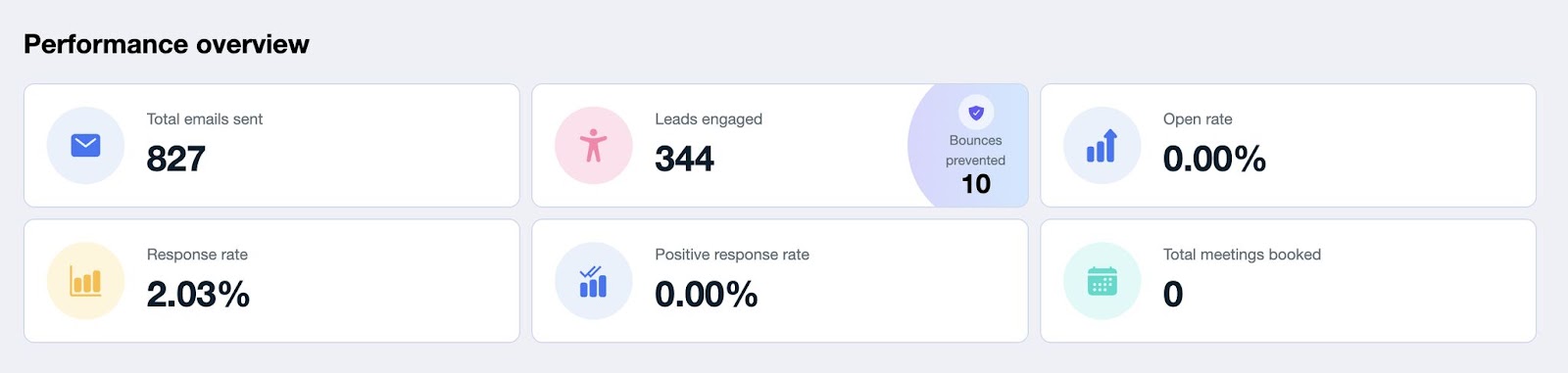
My first campaign was a standard cold email campaign with pretty precise targeting, but it was pure cold.
No signals. No engagement history. No previous interaction.
Just leads I found through our lead database.
The result?
Out of 344 leads engaged:
- 2% overall reply rate (mostly out-of-office messages, unsubscribes, and “not interested”)
- 0% positive reply rate
Campaign #2: LinkedIn social signals (2.93%)
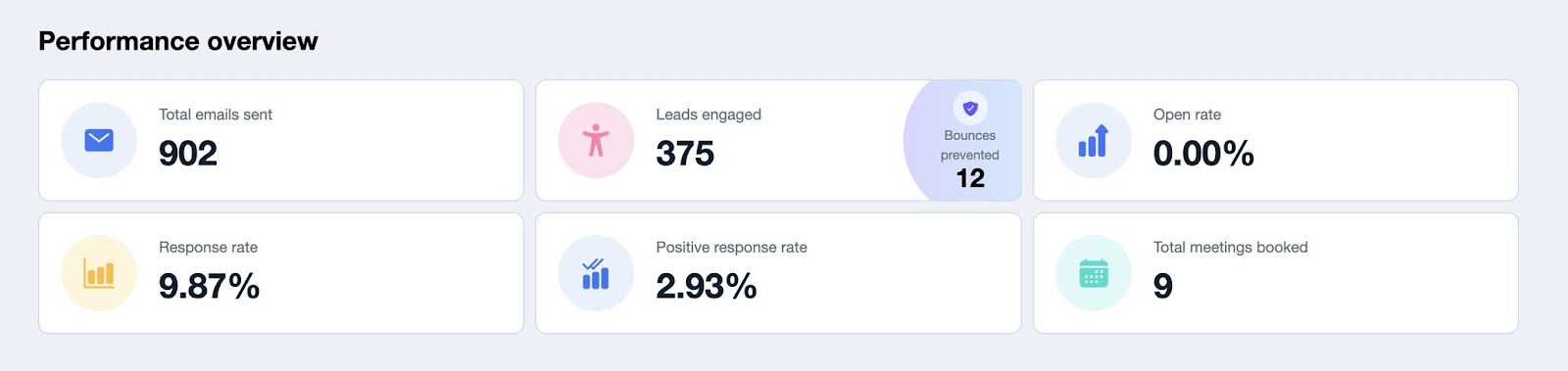
I tried a different angle for my second campaign.
I targeted people who (a) fell within our ICP and (b) recently liked or commented on a competitor’s LinkedIn post.
I also removed people like our current customers and our competitor’s employees.
Since prospects were already engaging with certain content, I could configure AiSDR to send more relevant, effective messages.
Out of 375 leads engaged:
- 9.87% overall reply rate
- 2.93% positive reply rate
- 9 meetings booked
This shows that LinkedIn social signals are a clear step up from pure cold outreach and drive better campaign results.
But why stop there when we have even stronger intent signals?
Campaign #3: Website visitors
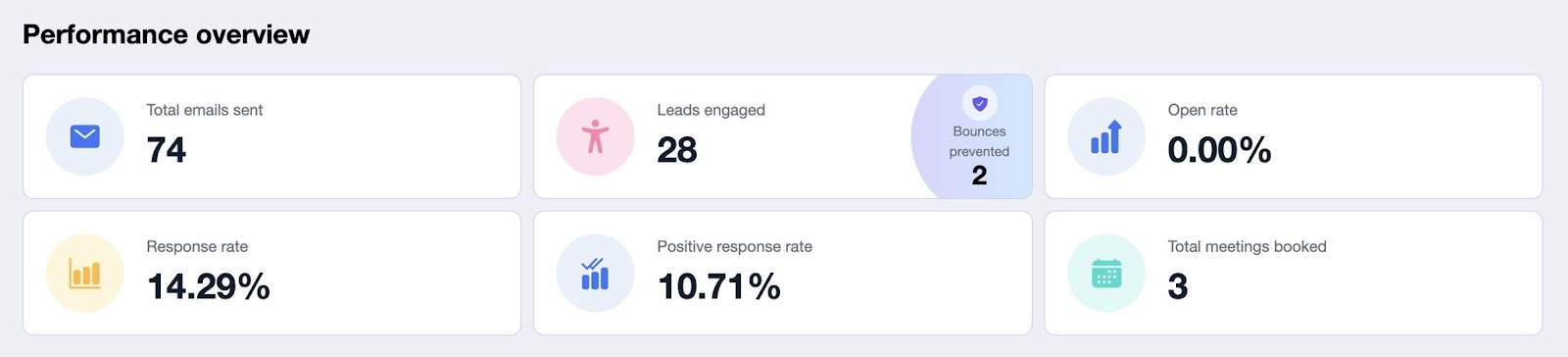
My third campaign was the most targeted as it reached out to website visitors. I used AiSDR’s own website visitor tracking feature, but there are other solutions like RB2B for collecting visitor intelligence.
More specifically, I reached out to people who:
- Matched our ICP criteria
- Visited AiSDR’s pricing page
- Didn’t book a demo
Out of just 28 leads engaged:
- 14.29% overall reply rate
- 10.71% positive reply rate
- 3 meetings booked
In other words, I scored a conversion rate over 10% by retargeting website visitors. So while the audience was small, the ROI was strong.
This should come as no surprise though.
Visiting a company’s pricing page is a good indicator of buyer intent. People are likely evaluating options but not ready to commit, so a well-timed, relevant message may give them that extra nudge to book a demo.
| Campaign Type | Leads | Reply Rate | Positive Replies/ 30 days | Meetings/30 days |
| Cold Outreach | 344 | 2% | 0% | 0 |
| LinkedIn Engagement | 375 | 9.87% | 2.93% | 9 |
| Website Visitors | 28 | 14.29% | 10.71% | 3 |
Result
Hindsight is 20/20, but it’s always nice to have real data that backs up your ideas.
The key takeaway here is the stronger the signal, the higher the conversion.
This comes with a tradeoff though. Your target audience gets smaller as signals get stronger:
- With standard cold outreach, you can go as big or small as you want, and you’re only limited by the size of the lead list you generate.
- With LinkedIn social signals, your limit is the number of people who engage with the content of the person you’re tracking, whether it’s you, an influencer, a competitor, or someone else.
- And with website visitors, you’re working only with people who actually land on the page you’re targeting.
So yes, the pool of leads you contact shrinks.
Case in point? My third campaign had just 28 leads.
But if you’re optimizing your outreach for quality over quantity, then it’s 100% worth the effort.
See how AiSDR runs your sales
FAQ
How to use buyer intent in email campaigns?
Buyer intent data shows when prospects are actively researching or evaluating solutions.
Identify the actions that signal urgency most (for example, visiting your pricing page, raising an investment round, or engaging with competitor posts on LinkedIn), segment those leads, and craft messaging that directly builds on the intent activity they’ve shown. Keep the timing tight so your email feels like a natural next step in their journey rather than a random cold touch.
Use those signals to shape your outreach. For example, follow up on a pricing page visit with a comparison guide, or respond to competitor engagement by showing how you solve the same challenge differently. The message should clearly build on the action they just took.
Best B2B outreach strategies 2025?
In 2025, the most effective outreach strategies center on layering granular lower-volume GTM plays that help companies act fast on signs of buyer readiness. Teams run micro-campaigns triggered by strong signals such as website visits, relevant post engagement on LinkedIn, job changes, hiring trends, company news, or funding announcements. They also build event-driven follow-ups after webinars or conferences, while AI manages timing, channels, and message variations.
Outreach is shifting from broad sequences to smaller, intent-driven plays that compound into higher response and conversion rates.
What is signal-based outreach?
Signal-based outreach means tailoring campaigns to actions prospects actually take, rather than reaching out cold: e.g., liking or commenting on a LinkedIn post that speaks about the product or relevant user problems, raising a new investment round, hiring for a title you can replace, or visiting a company’s pricing page without booking a demo. These signals reveal stronger intent, urgency, and foreshadow the prospect’s needs, making your outreach timely and relevant.
What is the most effective method for outreach in B2B?
The data shows that social signals and website visitor targeting both outperform cold outreach.
Our test campaigns showed that LinkedIn engagement delivered roughly 3x more positive replies than cold outreach, leading to multiple meetings per month. Website visitors converted at nearly 4× the LinkedIn rate, though from a much smaller lead pool, producing fewer total meetings but a much higher efficiency.
More on the topic:



See how campaign results change when you use strong buyer intent signals
 Summarize with
 ChatGPT
 Claude
 Perplexity
 Grok
Grok 
 Google AI